
7 Best Cover Material for Composting Toilet for Odor Control
For most buyers, Virro Coco Coir Composting Toilet Cover (6) is the top pick because coco coir absorbs moisture and helps control odors. For shoppers seeking the best cover material for composting toilet setups, it offers a dry, simple option for managing daily waste.
This guide is for people choosing a cover for a self-contained toilet at home, in an RV, or at a cabin. The biggest factors are how well the material absorbs liquid and controls smell, plus its texture, package size, and storage needs. The seven picks below are ranked with clear reasons and honest drawbacks for each, so you can compare loose coir, wood shavings, and other cover options with less guesswork.
Quick Comparison
| # | Product | Best For | Price | |
|---|---|---|---|---|
| 1 | Virro Coco Coir Composting Toilet Cover (6) | Best for Coconut Coir Users | $89.99 | View → |
| 2 | MAIDIWUDI Sawdust for Compost Toilets | Best for Bulk Sawdust Buyers | $21.99 | View → |
| 3 | Virro Coco Coir for Composting Toilets | Best for Coir Composting Toilets | $22.99 | View → |
| 4 | CompoCloset Cuddy Toilet Bamboo Seat Cover | Best for Bamboo Seat Owners | $125.00 | View → |
| 5 | Virro Coco Coir Composting Toilet Cover Material | Best for DIY Toilet Covers | $62.99 | View → |
| 6 | Odor Beware Composting Toilet Sawdust Mix | Best for Odor Control | $37.56 | View → |
| 7 | Fine Wood Sawdust for Composting | Best for Fine Sawdust Blends | $20.95 | View → |
7 Top Composting Toilet Cover Materials
This list is ranked by odor control, moisture handling, availability, and value, counting down to the top pick.
7. Fine Wood Sawdust for Composting

Best for: Backyard composters and outhouse users
This product is 2 pounds of fine sawdust made from clean, untreated wood. It contains no listed chemicals or additives, so it fits common composting, sanitation, and garden uses. The dry texture can absorb liquid in bucket toilets, composting toilets, outhouses, and animal areas. It also gives compost piles a carbon source to balance wetter materials such as food scraps and manure.
Its main advantage is flexibility. A small scoop can help cover fresh waste, reduce moisture, and limit odor buildup. The same material can go into a compost pile, spread as a light mulch, or mix into soil as a conditioner. It is lightweight and easy to distribute by hand. Still, 2 pounds is a modest amount for frequent use or a large compost setup. At around $21, the price may also feel high if you need sawdust in bulk. The listing does not identify the wood species or provide a particle-size range, which may matter for some gardening applications.
Pros
- Untreated wood provides a carbon-rich material for balancing food scraps and manure.
- Dry, absorbent sawdust can reduce moisture and odors in outhouses and toilet systems.
- One product supports composting, mulching, soil conditioning, and animal-area cleanup.
Cons
- The 2-pound quantity may run out quickly in high-use outhouses or large compost piles.
- Fine sawdust can create dust during scooping, and the listing gives no wood species details.
6. Odor Beware Composting Toilet Sawdust Mix

Best for: Portable toilet owners avoiding chemical additives
This 9-pound bag contains an unprocessed hardwood sawdust base, a proprietary mineral blend, and a natural spice or herb extract. The listing describes four natural ingredients in total. Sawdust helps cover visible waste, while the mineral component absorbs moisture and traps odors. The mix is also marketed for composting toilets, portable toilets, animal stalls, sewage exposure, manure, and other wet or decaying material.
What sets it apart is the ingredient policy. The sawdust contains no painted wood, glue, commercial wood by-products, or added chemicals, according to the manufacturer. That makes it a practical option for buyers who want a carbon-rich toilet cover without processed additives. The herb and spice extract is intended to help limit Salmonella, E. coli, and Listeria, but it should not replace proper sanitation. At around $38 for 9 pounds, it costs more than plain sawdust. The product is made, mixed, and shipped in the United States, which may appeal to shoppers seeking domestic sourcing.
Pros
- Hardwood sawdust covers waste and adds carbon to composting toilets.
- Mineral ingredients absorb liquids and help reduce trapped odors.
- The formula avoids glue, painted wood, toxins, and processed wood waste.
Cons
- Loose sawdust can spill, create dust, and require a scoop or sealed storage container.
- The listing does not provide a coverage estimate, odor-control duration, or recommended amount per toilet use.
5. Virro Coco Coir Composting Toilet Cover Material

Best for: RV and tiny-home composting toilets
Virro Coco Coir is a coconut-based cover material for composting toilets. The listed package is a 3-pack, with single-pack and 6-pack options also available. At around $63 for three packs, it costs more upfront than buying one refill at a time. The compressed coir takes up limited storage space, which suits RVs, vans, cabins, and other small living spaces.
Unlike dry coir bricks, this material arrives pre-moistened and ready to use. You do not need to soak it, wait for expansion, or break apart a hardened block before adding it to the toilet. Coconut coir helps absorb excess moisture and can reduce odors by covering waste. That may support a drier toilet environment during regular use. Still, results depend on the toilet design, ventilation, and how much cover material each use requires. Virro says it works with most composting toilet systems, but checking your toilet’s instructions remains sensible.
Pros
- Pre-moistened coir is ready to add without rehydration.
- Compressed packaging saves storage space in RVs and tiny homes.
- Coconut fiber helps manage moisture and cover odors.
Cons
- The 3-pack requires a higher upfront purchase than a single refill.
- Compatibility is broad but not universal, so some toilet systems may need a different cover material.
4. CompoCloset Cuddy Toilet Bamboo Seat Cover

Best for: Cuddy owners upgrading bathroom style
The CompoCloset Bamboo Seat Cover replaces the standard seat on a CompoCloset Cuddy composting toilet. It uses renewable bamboo instead of plastic, giving an off-grid bathroom a warmer, more furniture-like appearance. The cover is precision-machined for the Cuddy, so it is made for that toilet’s mounting points rather than a general household bowl. At around $125, it is a fairly costly appearance and comfort upgrade.
Installation is straightforward but still requires basic access to the existing hardware. Remove the old seat, place the included spacers, and fasten the bamboo cover with screws. The process should take only a few minutes when the original hardware comes off easily. Its center section has extra thickness for added support, which matters for a seat used every day. The natural finish is the main visual draw, while the custom fit should help prevent unnecessary movement. Still, the listing does not provide exact dimensions or a stated weight limit, so buyers with modified Cuddy setups should confirm compatibility before ordering.
Pros
- Renewable bamboo offers a warmer alternative to a standard plastic toilet seat.
- Custom machining is designed specifically for the CompoCloset Cuddy toilet.
- Thickened center section adds support for regular daily use.
Cons
- Compatibility is limited to the CompoCloset Cuddy, not standard toilets or other composting models.
- Exact dimensions and weight capacity are not listed, which makes fit verification harder for modified installations.
3. Virro Coco Coir for Composting Toilets
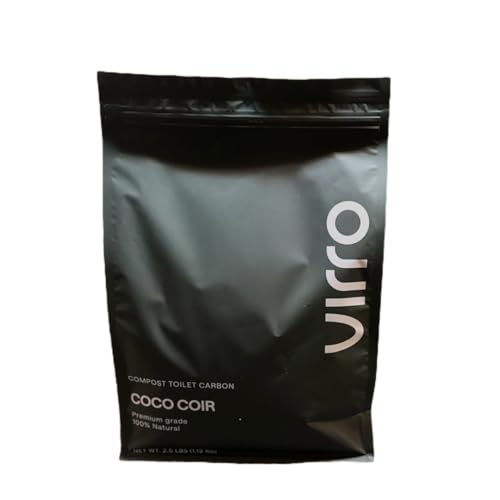
Best for: RV owners needing ready-to-use cover material
Virro Coco Coir is a coconut coir cover material made for composting toilets. The renewable fiber helps absorb excess moisture and reduce odors inside the toilet chamber. Unlike dry compressed bricks, this product arrives pre-moistened and ready to use. That removes the soaking, waiting, and breaking-apart steps required by many coir blocks. It suits RVs, vans, tiny homes, cabins, and other spaces where toilet supplies need to stay simple.
The compact package should fit more easily into limited storage than loose coir. Buyers can choose a single pack for occasional use, or 3-pack and 6-pack options for regular refills. At around $23 for the listed option, it costs more than some raw coir bricks, but the ready-to-use format may justify that difference for mobile setups. The product is described as compatible with most composting toilet systems, though toilet makers can have different cover-material instructions. Check the system manual before adding it.
Pros
- Pre-moistened coir works directly from the package, with no soaking required.
- Coconut fiber absorbs moisture and helps control toilet odors.
- Single, 3-pack, and 6-pack choices fit different refill schedules.
Cons
- Pre-moistened material may weigh more than dry coir bricks during transport.
- “Most” composting toilets are supported, so compatibility is not guaranteed for every system.
2. MAIDIWUDI Sawdust for Compost Toilets

Best for: Small composting toilets and camping trips
MAIDIWUDI Compost Toilet Sawdust comes in a 2.2-pound package for use with composting toilets. The material is described as all-natural, biodegradable sawdust with no added chemicals, artificial ingredients, or additives. It suits indoor toilets, off-grid setups, campgrounds, and short outdoor trips. At around $22, it costs less than many larger toilet-medium bags, but the package size is modest.
Its main benefit is the balance between moisture absorption and airflow. Those properties can help waste break down while reducing unpleasant smells inside the toilet container. The sawdust also works as a dry cover material, which helps manage sanitation after each use. It is lightweight enough for car camping or hiking supplies, though backpackers may still want to divide it into smaller portions. The listing does not state the wood type, particle size, or expected number of toilet uses, so buyers cannot easily estimate coverage before ordering.
Pros
- Natural, biodegradable material without listed additives or harsh chemicals.
- Absorbs moisture and allows airflow inside composting toilet systems.
- Lightweight 2.2-pound package suits camping, cabins, and backup home use.
Cons
- The 2.2-pound quantity may run out quickly for daily household use.
- No usage rate, wood species, or sawdust texture is provided.
1. Virro Coco Coir Composting Toilet Cover (6)

Best for: RV and tiny-home toilet owners
This six-pack provides natural coconut coir for composting toilet maintenance. Each package contains pre-moistened coir, so it is ready to add without soaking, breaking apart, or waiting for hydration. The material helps absorb excess moisture and cover waste, which can reduce odors during regular use. It suits RVs, vans, cabins, and tiny homes where toilet supplies need to fit into limited storage areas.
The compressed format makes the packs easier to transport than loose coir. Virro lists the material as compatible with most composting toilet systems, but toilet designs vary, so buyers should check their system’s guidance first. The six-pack is the largest listed option, alongside single and three-pack choices. At around $90, it costs more upfront than buying one refill, though the larger supply may make sense for frequent use or remote locations. Its ready-to-use format is the main advantage over dry bricks that require preparation.
Pros
- Pre-moistened coir can go straight into the toilet.
- Coconut coir helps manage moisture and reduce odors.
- Compressed packs are easier to store in RVs and small homes.
Cons
- The six-pack requires a larger upfront payment than the single or three-pack options.
- “Most” systems are supported, not every composting toilet, so compatibility still needs checking.
Buying Guide
Moisture resistance is the most important factor when choosing a composting-toilet cover. A nonporous cover blocks spills, absorbs fewer odors, and cleans more easily than untreated wood or fabric.
- Material type: Choose polypropylene, HDPE, or ABS for regular bathroom use. These plastics do not absorb liquid. Sealed bamboo or hardwood can work, but avoid unfinished wood.
- Surface texture: Look for a smooth, sealed surface with no woven sections or deep grooves. A removable cover that tolerates mild soap makes routine cleaning simpler.
- Fit and dimensions: Measure the toilet opening before ordering. Allow no more than ⅛ inch of side-to-side movement, and confirm hinge locations if the cover attaches to the seat.
- Light and odor control: Select an opaque lid that fully covers the opening. For portable units, a cover with a 1-inch or larger overlap can help block light and reduce odor escape.
- Durability and cost: For daily use, choose a rigid cover with metal or reinforced plastic hinges. Replacement lids commonly cost about $25 to $80, so confirm spare-part availability before buying.
If you cannot have everything, prioritize a smooth, nonporous material that fits tightly and cleans with mild soap.
Frequently Asked Questions
How do I choose a cover material for a composting toilet?
The best choice is a dry, carbon-rich material that absorbs moisture and controls odors, such as fine sawdust or coconut coir. Use a material with small particles, and avoid treated wood, glossy paper, or damp mulch. A 5-gallon bucket of cover medium may last several weeks for one person.
What can I use as a cover for a composting toilet?
You can use plain, dry sawdust as a reliable cover for most composting toilets. It should come from untreated wood and have a fine texture that forms a thin odor-blocking layer. Start with about one cup after each solid deposit.
Can I use peat moss in a composting toilet?
You can use peat moss, but coconut coir or untreated sawdust are usually better choices because they work without relying on peat extraction. A dry coir brick often expands to several liters after water is added, so store it sealed and dry before use.
Are wood shavings safe for composting toilets?
Untreated wood shavings are generally safe for composting toilets, provided they are dry and free from finishes or chemicals. Choose small shavings rather than long strips because they spread more evenly. A 1-inch layer after each use is usually enough.
Conclusion
Virro Coco Coir Composting Toilet Cover (6) is the top pick for households that want ready-to-use, low-mess cover material with six portions for regular maintenance. If your priority is the lowest upfront cost or a larger bulk supply, choose a loose coir brick or larger bag instead, since it can reduce the cost per use. Before buying, double-check the container size, toilet compatibility, quantity included, and current price, since package sizes and listings can change. Coir absorbs moisture, helps control odors, and adds carbon to the composting mix. Store unopened material somewhere dry. A practical cover should pour easily, stay relatively clean, and remain available for your setup.