
6 Best Sustainable Diapers for Sensitive Skin
Bambo Nature Premium Baby Diapers are our top pick for most buyers among the best sustainable diapers, mainly because they carry recognized environmental certifications. The Nordic Swan Ecolabel gives shoppers a clearer standard to check than vague “eco” claims, while the range covers everyday baby-care needs in multiple sizes.
This guide is for parents who want to reduce the footprint of diapering without switching fully to cloth. Fit and absorbency matter most here: a secure waistband can limit leaks, while effective moisture control helps protect skin during naps and overnight use. Materials, fragrance, and packaging also deserve attention, especially for babies with sensitive skin. The six picks below are ranked by their strengths, practical use cases, and drawbacks, so you can compare each option before buying.
Quick Comparison
| # | Product | Best For | Price | |
|---|---|---|---|---|
| 1 | Bambo Nature Premium Baby Diapers | Eco-Conscious Newborn Families | $16.49 | View → |
| 2 | Bambo Nature Baby Diapers, Size 3 | Size Three Diaper Stockups | $74.94 | View → |
| 3 | Bambo Nature Dream Baby Diapers | Overnight Comfort Seekers | $40.51 | View → |
| 4 | Bambo Nature Premium Baby Diapers | Sensitive-Skin Baby Care | $19.39 | View → |
| 5 | OsoCozy Organic Flat Cloth Diapers, Dozen | Organic Cloth Diaper Users | $33.98 | View → |
| 6 | Bambo Nature Premium Training Pants | Toddlers Learning Toilet Independence | $63.56 | View → |
6 Sustainable Diapers Worth Considering
The list is ranked from sixth place down to the top pick, based on materials, comfort, fit, and waste reduction.
6. Bambo Nature Premium Training Pants

Best for: Toddlers practicing independent potty trips
Bambo Nature Premium Training Pants are pull-on absorbent pants for toddlers moving away from diapers. This package includes 100 size 5 pants, designed for children weighing 24 to 37 pounds. The flexible waistband and thin shape let children pull them up and down with less help. At around $64 per box, they cost more than many standard training pants, so the larger count may suit families who use them daily.
A three-layer build includes an absorbent core intended to handle multiple wettings, including some overnight use. Results can vary based on the child’s size and output, so these may not replace a dedicated overnight diaper for every toddler. The breathable backsheet helps reduce trapped moisture, while the materials avoid added harmful chemicals and known allergens. The fluff pulp is totally chlorine-free, and production uses 100% wind power. Bambo Nature also carries the Nordic Swan Ecolabel, giving eco-focused shoppers a clear certification to look for. The line covers sizes 4 through 6, but buyers should check the brand’s size chart before ordering.
Pros
- Pull-up styling supports more independent potty-training routines.
- Three absorbent layers can manage several wettings.
- TCF pulp, a breathable backsheet, and Nordic Swan certification suit ingredient-conscious households.
Cons
- Around $64 for 100 pants is a high upfront cost.
- Size 5 only fits the listed 24-to-37-pound range, and overnight protection may vary by child.
5. OsoCozy Organic Flat Cloth Diapers, Dozen
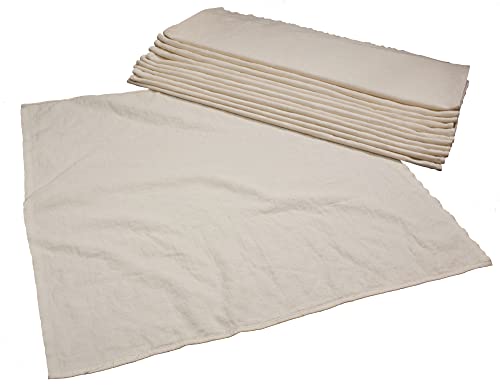
Best for: Budget-minded families using cloth nappies
OsoCozy’s organic flat diapers are simple, one-layer nappies made from 100% GOTS-certified organic birdseye cotton. Each diaper measures 27 by 30.5 inches, and the package includes 12 pieces. The flat shape gives you room to fold the fabric for different fits, while the cotton construction keeps the design soft and lightweight.
The main advantage is easier laundry. Unlike thick prefolds, these diapers have fewer layers where soil can collect, and their thin profile should dry faster after washing. They can also work beyond diaper changes as burp cloths, bibs, changing pads, or washcloths. At around $34 per dozen, they cost less upfront than many larger cloth-diaper systems, though you may need more pieces for full-time use. Their reusable cotton design can also reduce ongoing disposable-diaper purchases, but washing still adds water, detergent, and drying costs.
Pros
- GOTS-certified organic cotton: Uses 100% organic birdseye cotton for a soft, durable fabric.
- Simple laundry care: One-layer construction has fewer folds and layers to clean than prefold diapers.
- Useful beyond diapering: The 27-by-30.5-inch size suits burp cloths, bibs, changing pads, and household cleaning.
Cons
- Less built-in padding: A one-layer flat diaper may need extra folds or an added insert for heavy wetting.
- Requires a separate diapering setup: The package contains flat cloths only, so buyers may need covers, fasteners, and more diapers for frequent changes.
4. Bambo Nature Premium Baby Diapers

Best for: Newborns needing skin-conscious materials
Bambo Nature Premium Baby Diapers are disposable diapers for babies weighing 4 to 9 pounds. This Size 1 pack includes 36 diapers and uses French and English packaging. The brand has produced diapers for more than 35 years, which may appeal to parents seeking an established option. At around $19 per pack, the price sits above many basic newborn diaper choices.
The standout details focus on comfort and material choices. A color-changing wetness strip helps show when a diaper needs changing, while the flexible waistband and latex-free cuffs support movement without using latex. Inside, the three-layer build includes an absorbent core designed to handle multiple wettings, including overnight use. The breathable backsheet may help reduce trapped moisture. The fluff pulp is totally chlorine-free, and the diapers contain no known allergens or harmful chemicals, according to the product description. Still, newborn fit can vary, so the 4-to-9-pound range matters more than age alone.
Pros
- Wetness indicator changes color when a change may be needed.
- Latex-free cuffs and a flexible waistband support comfortable movement.
- Totally chlorine-free pulp and no known allergens suit ingredient-conscious families.
Cons
- The 36-count package may run out quickly during the newborn stage.
- Size 1 only covers 4 to 9 pounds, so some babies may outgrow it soon.
3. Bambo Nature Dream Baby Diapers

Best for: Toddlers needing overnight coverage
Bambo Nature Hypoallergenic Dream Baby Diapers come in a 75-count package of Size 5 diapers for babies weighing 27 to 40 pounds. The design uses three layers and a super-absorbent core intended to handle several wettings, including overnight use. A color-changing wetness indicator helps caregivers know when a diaper needs changing.
Comfort-focused details include a flexible waistband, latex-free leg cuffs, and a breathable backsheet that helps reduce trapped moisture against the skin. The materials are free from added harmful chemicals and known allergens, while the fluff pulp is totally chlorine-free. For environmentally minded households, the diapers are produced using 100% wind power and carry the Nordic Swan Ecolabel. Bambo Nature has also manufactured diapers for more than 35 years. At around $41 for 75 diapers, this pack offers specialized materials and environmental certifications, but it may cost more than basic disposable options.
Pros
- Wetness indicator changes color when a diaper needs changing.
- Three-layer construction and an absorbent core support overnight use.
- Totally chlorine-free pulp, latex-free cuffs, and breathable materials suit sensitive skin.
Cons
- Size 5 fits only the listed 27-to-40-pound range, so children outside it need another size.
- Around $41 per 75-count pack can create a higher ongoing cost than standard diapers.
2. Bambo Nature Baby Diapers, Size 3

Best for: Babies with sensitive skin and active nights
Bambo Nature Size 3 diapers fit babies from 9 to 18 pounds. This box contains 174 diapers, making it a practical bulk option for regular use. The diapers use a three-layer design with a super-absorbent core, which can handle multiple wettings, including overnight use. A color-changing wetness indicator gives parents a quick visual cue for changes.
Skin-conscious families get several useful material choices here. The diapers are totally chlorine-free, latex-free, and made without known allergens. Their breathable backsheet helps reduce trapped moisture, while the flexible waistband and leg cuffs support a secure fit as babies move. Bambo Nature also holds the Nordic Swan Ecolabel, and its production uses 100% wind power. At around $75 per box, the upfront cost is high, but the 174-count package may reduce frequent reordering.
Pros
- Size 3 fits babies weighing 9 to 18 pounds.
- Three-layer absorbency supports overnight and repeated wettings.
- Wetness indicator, flexible waist, and latex-free cuffs aid daily changes.
Cons
- Around $75 costs more upfront than many standard diaper boxes.
- Size 3 only covers the 9 to 18-pound range, so babies may outgrow it quickly.
1. Bambo Nature Premium Baby Diapers

Best for: Newborns in the 4–9-pound range
Bambo Nature Premium Eco-Friendly Baby Diapers are designed for very small babies and come in Size 1, which fits infants weighing 4 to 9 pounds. This package includes 36 disposable diapers and costs around $16, though prices can change. The pack size suits early newborn care, when parents may go through several diapers each day.
The main standout is the clearly defined weight range, which makes choosing the starting size simpler. The eco-friendly positioning may also appeal to families seeking a different option from standard disposable diapers. However, the product details do not list specific materials, certifications, absorbency claims, or wear time, so buyers should not assume performance beyond the stated information. Fit matters here. A diaper that is too small or too large may leak or contribute to skin irritation. Check your baby’s current weight before ordering, especially if they are close to either end of the range. Babies can outgrow Size 1 quickly, so this 36-count package may work better as an initial supply than a long-term stock-up.
Pros
- Size 1 covers babies from 4 to 9 pounds.
- The 36-count package provides a manageable first supply.
- The eco-friendly diaper positioning may suit environmentally conscious households.
Cons
- The narrow weight range means some babies may outgrow this size quickly.
- An incorrect fit can lead to leaks or rashes, according to the product warning.
Buying Guide
The biggest factor is verified environmental impact, not green packaging. Look for third-party certifications and clear material disclosures, because leaks and vague claims can create more waste.
- Independent certifications: Prefer FSC-certified pulp and recognized standards such as GOTS for cotton components or OEKO-TEX Standard 100. Treat “natural” without documentation as a marketing claim.
- Material breakdown: Choose diapers that list plant-based content, chlorine processing, fragrance, latex, and phthalates. A full ingredient list gives more useful information than “biodegradable” on the front.
- Fit and absorbency: Match the child’s weight range, then choose overnight versions rated for 10 to 12 hours when needed. Fewer leaks reduce discarded diapers and clothing changes.
- Disposal method: Confirm local facilities before buying compostable products. Many compostable claims apply only to industrial composting, not backyard bins or household trash.
- Total cost: Compare cost per diaper across 30- to 50-count packs, not just the package price. For cloth, include 20 to 30 diapers, detergent, water, electricity, and drying costs.
If you cannot have everything, prioritize documented materials and disposal claims over attractive packaging or a low pack price.
Frequently Asked Questions
How do sustainable diapers reduce environmental impact?
Sustainable diapers reduce environmental impact by using lower-impact materials, less plastic, or verified production methods. Some use plant-based components such as bamboo fibers, while others include recycled packaging or renewable energy claims. Check the brand’s full materials list, because “eco” labels do not guarantee compostability or low waste.
What makes a diaper sustainable?
A diaper is more sustainable when it reduces material use or waste without sacrificing safe, reliable performance. Look for chlorine-free processing, responsibly sourced fibers, credible certifications, and packaging with less plastic. A washable option may use hundreds of diapers, but its total footprint depends on washing temperature, detergent, drying, and replacement frequency.
Can sustainable diapers prevent leaks as well as conventional options?
Many sustainable diapers can match conventional products for leak protection when the size and fit are correct. Compare the brand’s fit guide, then change sizes if gaps appear around the legs or waist. Some disposable options list absorbency for overnight use, while cloth systems may need an extra insert.
Are biodegradable diapers actually compostable?
Most biodegradable diapers are not home-compostable, and many also require commercial composting facilities. A diaper labeled biodegradable may break down only under controlled heat, moisture, and microbial conditions. Check disposal instructions carefully, because some products take months or longer and cannot enter ordinary curbside compost.
Conclusion
Bambo Nature Premium Baby Diapers remain the top recommendation for families seeking a lower-impact disposable diaper with dependable everyday comfort and clear material information. If your main priority is reducing waste at home, choose a reusable cloth system instead, since washing and reusing covers can cut down on single-use packaging and diaper trash. Before placing an order, double-check the recommended size, fit compatibility with your baby’s shape and clothing, pack quantity, and current price, since stock and promotions can change. Also consider your household routine, laundry access, and sensitivity to fragrance or lotions. No diaper performs perfectly for every child, so a small pack can be a practical first purchase.