
6 Best Sustainable Deodorant for Sensitive Skin
Salt & Stone Santal & Vetiver Deodorant is the top pick for most buyers, and our best sustainable deodorant choice for its balance of low-waste packaging and everyday odor control. Its aluminum-free stick uses a familiar format, while the Santal and vetiver scent feels woody rather than sugary. The main trade-off is that natural deodorants do not block sweat like antiperspirants, so expectations matter.
This guide is for shoppers who want less plastic and clearer ingredient choices without switching to a complicated routine. For these deodorants, the key factors are package material, stick size, scent strength, and how well each formula handles odor during a normal day. The 6 picks below are ranked by those details, with clear reasons for each choice and honest drawbacks for every product. That makes it easier to match a deodorant to your habits, budget, and tolerance for reapplying.
Quick Comparison
| # | Product | Best For | Price | |
|---|---|---|---|---|
| 1 | Salt & Stone Santal & Vetiver Deodorant | Fans of woody sandalwood scents | $20.00 | View → |
| 2 | Attitude Sandalwood & Cedar Deodorant | Cedar-forward fragrance seekers | $12.95 | View → |
| 3 | Native Deodorant | Everyday scent variety shoppers | $13.49 | View → |
| 4 | Salt & Stone Aluminum-Free Deodorant | Aluminum-free natural deodorant shoppers | $20.00 | View → |
| 5 | Native Aluminum-Free Deodorant | Native brand loyalists seeking aluminum-free | $14.00 | View → |
| 6 | Humble Simply Unscented Deodorant | Fragrance-sensitive minimalist routines | $7.79 | View → |
6 Top Sustainable Deodorant Picks
We’ve ranked these lower-waste deodorants by formula, packaging, price, and daily practicality, counting down to the top pick.
6. Humble Simply Unscented Deodorant
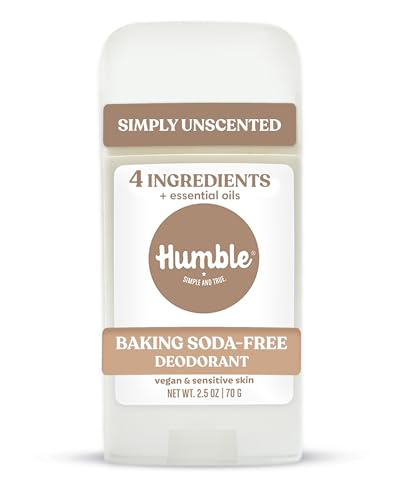
Best for: fragrance-sensitive, baking soda-sensitive users
Humble Simply Unscented is an aluminum-free stick deodorant for people who want odor control without added fragrance or baking soda. The 2.5-ounce tube uses four base ingredients: MCT oil, non-GMO corn starch, magnesium hydroxide, and candelilla wax. It costs under $10 at the listed price, though prices can change.
The formula helps absorb moisture and reduce body odor, but it is not an antiperspirant. Since it contains no aluminum, it will not block sweat. That makes it a better fit for normal daily wear than intense workouts, hot outdoor work, or anyone seeking dry underarms. The unscented formula contains no essential oils or artificial fragrance, which suits shoppers who avoid scent on sensitive skin. One stick should last about three months, depending on application. Humble also leaves out alcohol, parabens, and talc. The brand says it holds Leaping Bunny cruelty-free certification and belongs to 1% for the Planet.
Pros
- Baking soda-free formula may suit sensitive underarms.
- Four base ingredients keep the formula simple.
- No fragrance, essential oils, or artificial scent.
Cons
- It will not reduce sweating because it contains no aluminum.
- Unscented protection cannot mask odor with fragrance.
5. Native Aluminum-Free Deodorant

Best for: Aluminum-free everyday odor control
Native Sea Salt & Cedar Deodorant is an aluminum-free stick made for women and men. The large 3.1-ounce size offers more product than many standard deodorants and costs around $14. Its formula is vegan, cruelty-free, paraben-free, and phthalate-free. It also skips baking soda and ozokerite, two ingredients some shoppers prefer to avoid.
The main draw is its claimed odor protection, which lasts up to 72 hours. That rating may appeal to travelers, busy schedules, or anyone who dislikes frequent reapplication. Shea butter and other skin conditioners help the stick glide smoothly, while the brand says it applies clear without white marks or yellow stains. Sea salt and cedar create a crisp, woody scent with an ocean-inspired profile. Since this is deodorant rather than antiperspirant, it targets body odor but does not claim to reduce sweating.
Pros
- Large 3.1-ounce stick provides more product for regular use.
- Baking soda-free formula may suit people with sensitive underarms.
- Clear application helps reduce visible residue on clothing.
Cons
- Aluminum-free deodorant will not control underarm wetness like an antiperspirant.
- The sea salt and cedar fragrance may feel too woody or strong for scent-sensitive users.
4. Salt & Stone Aluminum-Free Deodorant

Best for: Scent-focused shoppers avoiding aluminum
Salt & Stone’s Bergamot & Hinoki deodorant is a 2.6-ounce stick for women and men. The aluminum-free formula also leaves out parabens and phthalates, making it a fit for shoppers who want odor protection without traditional antiperspirant ingredients. Its scent blends bright bergamot with dry, woody hinoki for a clean fragrance that is not overly sweet. At around $20, it costs more than many drugstore deodorants.
The formula uses magnesium to help manage odor, while spirulina and niacinamide support softer-feeling skin. It applies clear and smooth, with the brand stating that it does not transfer onto clothing. Salt & Stone also lists a 48-hour protection claim, though deodorant does not stop sweat the way an antiperspirant can. The stick uses vegan ingredients and carries Leaping Bunny certification, which gives cruelty-free shoppers a clear reason to consider it. The compact size also fits easily into a gym bag or travel kit.
Pros
- Aluminum-free formula excludes parabens and phthalates.
- Bergamot and hinoki create a citrusy, woody scent.
- Vegan, Leaping Bunny Certified formula with magnesium, spirulina, and niacinamide.
Cons
- It controls odor, but it does not provide aluminum-based sweat reduction.
- Around $20, it costs more than standard supermarket deodorants.
3. Native Deodorant

Best for: Coconut-scented, aluminum-free daily protection
Native Coconut & Vanilla is a 2.65-ounce solid deodorant stick for women and men. It uses naturally derived ingredients, including shea butter, coconut oil, and triglycerides. The formula contains no aluminum, parabens, phthalates, or talc. At around $13, it costs more than many drugstore deodorants, but the size fits easily in a bathroom drawer or travel bag.
The main draw is its odor protection claim, which lasts up to 72 hours. Real-world results can vary with heat, exercise, and body chemistry, but the longer-lasting formula may suit busy schedules. It applies with a smooth glide and is designed to feel light rather than greasy. Native also says the stick goes on clear, without white marks or yellow clothing stains. Coconut and vanilla create a sweet, warm scent that may last through the day. The product is vegan and cruelty-free, with no animal-derived ingredients.
Pros
- Aluminum-free formula avoids traditional antiperspirant ingredients.
- Coconut oil, shea butter, and triglycerides support a smoother application.
- Vegan, cruelty-free formula with no parabens, phthalates, or talc.
Cons
- It controls odor but does not reduce sweating like an antiperspirant.
- Sweet coconut and vanilla fragrance may feel too strong for scent-sensitive users.
2. Attitude Sandalwood & Cedar Deodorant

Best for: Daily odor control with woody fragrance
Attitude Sandalwood & Cedar Deodorant is a 75 g, aluminum-free stick for everyday odor protection. Its formula uses 95% naturally derived ingredients and skips petrolatum, alcohol, mineral oil, and artificial colors. Baking soda helps neutralize odor, while shea butter helps the stick glide across skin without a sticky finish. At around $13, it costs more than many drugstore deodorants, but the formula and packaging offer clear reasons for the higher price.
The fragrance opens with eucalyptus, moves into amyris, and settles into sandalwood, vetiver, and cedar. That creates a warm, earthy scent rather than a sweet or powdery one. The product is EWG VERIFIED, dermatologically tested, and 100% vegan. Its FSC-certified recyclable cardboard package uses plant-based ink and reduces plastic compared with a standard plastic case. Still, this is a deodorant, not an antiperspirant. It targets body odor but will not reduce sweating. Baking soda can also bother some sensitive skin, so a small patch test makes sense before regular use.
Pros
- 95% naturally derived formula excludes alcohol, mineral oil, petrolatum, and artificial colors.
- Shea butter supports smooth application, while baking soda targets odor.
- Vegan formula comes in FSC-certified recyclable cardboard with plant-based ink.
Cons
- Aluminum-free design does not control perspiration.
- Baking soda and the woody fragrance may irritate sensitive skin or feel too strong for some users.
1. Salt & Stone Santal & Vetiver Deodorant

Best for: Scent-conscious shoppers wanting aluminum-free odor control
Salt & Stone’s Santal & Vetiver is a 2.6-ounce stick deodorant for women and men. It uses magnesium to help manage odor without aluminum, parabens, or phthalates. The formula also includes spirulina and niacinamide, ingredients associated with softer, smoother underarm skin. At around $20, it costs more than many drugstore deodorants, but the vegan formula and Leaping Bunny certification add appeal for shoppers who avoid animal testing and animal-derived ingredients.
The warm scent combines sandalwood-like richness with dry vetiver for a creamy, woody profile. It may suit cooler weather or anyone who dislikes sharp, sugary fragrances. The stick is designed to glide on clear and avoid transfer onto clothing, which makes it practical for daily wear. Salt & Stone claims up to 48 hours of protection, though results can vary with sweat levels, activity, and skin chemistry. Since it is aluminum-free, it targets odor rather than blocking perspiration.
Pros
- Aluminum-free formula avoids aluminum, parabens, and phthalates.
- Magnesium, spirulina, and niacinamide support odor control and smoother-feeling skin.
- Vegan, Leaping Bunny-certified formula applies clear and is designed not to transfer.
Cons
- Aluminum-free deodorants do not prevent sweating, so heavy sweaters may need reapplication.
- Santal and vetiver create a noticeable woody scent that may feel too rich for people who prefer clean, unscented products.
Buying Guide
Choose a refillable or low-waste format first. A reusable case with paper, aluminum, or compostable refills can reduce the number of containers sent to landfill over time.
- Packaging: Look for a case designed for at least 6 refills. Avoid products that call a plastic tube sustainable without explaining its recycled content or disposal method.
- Skin tolerance: If you have sensitive underarms, choose fragrance-free formulas without baking soda, or patch-test a small area for 24 hours before regular use.
- Odor protection: Check the maker’s wear claim, often 8 to 24 hours, but remember deodorant controls odor rather than sweat. Reapply after exercise or heavy sweating.
- Refill cost: Compare the full system price. A reasonable target is $10 to $20 for the first case and $5 to $12 per refill, depending on size and ingredients.
- Materials and proof: Prefer clear ingredient lists and specific claims, such as 100% recycled cardboard or plastic-free refills. Certifications like Leaping Bunny can support cruelty-free claims, but they do not prove low waste.
If you cannot have everything, prioritize packaging that removes the most disposable material without irritating your skin.
Frequently Asked Questions
How does sustainable deodorant work?
A sustainable deodorant controls odor without using aluminum antiperspirant salts, usually through ingredients such as baking soda, magnesium, or plant oils. It does not stop sweat, so dampness remains normal. Look for refillable packaging, paper tubes, or compostable cases, and check whether the brand provides clear disposal instructions.
What should I look for in an eco-friendly deodorant?
Look for a clear ingredient list, low-waste packaging, and a formula that suits your skin. Aluminum-free products may use magnesium or baking soda, while sensitive-skin options often avoid fragrance and baking soda. A refill system should reduce packaging waste, not add complex plastic parts or costly shipping.
Can natural deodorants prevent sweating?
Most natural deodorants cannot prevent sweating because they are designed to reduce odor, not block sweat glands. An antiperspirant is the better choice for dryness because it uses aluminum salts. If you switch products, allow about 1 to 2 weeks to adjust and apply only to clean, dry skin.
Are refillable deodorant sticks worth it?
Refillable deodorant sticks can be worth the cost when you use the same case for many refills and the replacement packaging uses less material. Compare refill prices, shipping, and disposal rules before buying. For example, a refill costing $8 every two months may beat repeated $12 single-use containers.
Conclusion
Salt & Stone Santal & Vetiver Deodorant remains the top pick for shoppers who want a woodsy scent, thoughtful packaging choices, and a deodorant that fits a lower-waste routine. If your priority is maximum odor control during workouts, choose a conventional antiperspirant or a refillable option with stronger performance claims, because deodorants do not reduce sweating and body chemistry can affect wear time. Before buying, double-check the stick size, whether the ingredients suit your skin, the quantity included, and the current price, then compare cost per ounce with nearby alternatives so the greener packaging does not quietly create poor value, and check whether the seller accepts returns for unopened items.