
7 Best Rechargeable AA Batteries for Outdoor Solar Lights
Kruta AA Rechargeable Solar Batteries is the top pick for most buyers because its AA size fits many common solar-light compartments. For shoppers seeking the best rechargeable aa batteries for outdoor solar lights, this set offers a straightforward replacement for standard rechargeable cells in garden fixtures.
This guide is for anyone replacing weak or dead batteries in pathway, yard, or patio lights. The key factors are correct AA size, Ni-MH chemistry, capacity in milliamp-hours, and dependable performance after repeated charging. The seven picks below are ranked with clear reasons and honest drawbacks for each, so you can match a battery to your lights and charging routine.
Quick Comparison
| # | Product | Best For | Price | |
|---|---|---|---|---|
| 1 | Kruta AA Rechargeable Solar Batteries | Solar Pathway Light Owners | $19.99 | View → |
| 2 | EBL Solar AA Rechargeable Batteries | Budget-Conscious Solar Light Users | $14.99 | View → |
| 3 | JiajaX Ni-MH AA Rechargeable Solar Batteries | Outdoor Lantern Replacement Buyers | $5.99 | View → |
| 4 | AA 1600mAh 1.2V Ni-MH Rechargeable Solar Batteries | Low-Drain Solar Fixture Owners | $9.99 | View → |
| 5 | Lightalent Rechargeable Solar AA Batteries | Compact Garden Light Installations | $9.98 | View → |
| 6 | AA 1.2V Ni-MH Rechargeable Solar Light Batteries | Standard Voltage Solar Replacements | $14.99 | View → |
| 7 | Kruta Rechargeable AA NiMH Batteries, 2000mAh, 20-Pack | High-Quantity Household Battery Buyers | $21.99 | View → |
7 Rechargeable AA Batteries for Solar Lights
These rechargeable AA batteries are ranked in order, counting down to the top pick for outdoor solar lights.
7. Kruta Rechargeable AA NiMH Batteries, 2000mAh, 20-Pack

Best for: Outdoor solar light owners
Kruta’s pack includes 20 standard AA NiMH batteries, each rated at 1.2V and 2000mAh. They arrive pre-charged and can replace lower-capacity 600mAh, 800mAh, or 1100mAh NiMH and NiCd cells in compatible devices. The batteries are rated for up to 1200 recharge cycles, which could reduce replacement costs for frequently used lights, remotes, toys, and controllers. The pack costs around $22.
These cells are designed for outdoor solar lights, with charging support through sunlight or a standard AA battery charger. Solar charging may take longer during cloudy weather, so a regular charger can help restore a full charge. Kruta claims the batteries retain more than 80% of their capacity for three years and resist leakage during storage. Their stated operating range is -4°F to 140°F, although real performance can depend on the device and charging conditions. The 2000mAh capacity should provide longer runtime than smaller cells in many low-drain lights.
Pros
- Twenty batteries cover multiple solar lights and household devices.
- 2000mAh capacity may provide longer runtime than lower-capacity AA cells.
- Supports both solar charging and standard NiMH battery chargers.
Cons
- The 1.2V output is lower than a typical 1.5V alkaline battery, so some devices may perform differently.
- Solar charging can be slow when sunlight is weak, and a compatible charger may be needed for reliable full charging.
6. AA 1.2V Ni-MH Rechargeable Solar Light Batteries

Best for: Outdoor solar lights in cold climates
These AA batteries use 1.2V Ni-MH chemistry and provide a rated 1,600mAh capacity. They fit many outdoor garden lights, pathway lamps, string lights, and other devices that use rechargeable AA cells. The higher capacity may run lights longer than older 600mAh, 800mAh, or 1,100mAh batteries, though actual runtime depends on the light and its solar panel. At around $15, the four-battery pack offers a practical replacement for disposable cells.
The batteries are designed for temperatures from -4°F to 140°F, which suits outdoor use across a wide range of weather. They can recharge through compatible solar lights or a standard charger. A universal charger may be useful when sunlight is weak or faster charging is needed. The manufacturer rates them for at least 1,200 recharge cycles, which could reduce waste and replacement costs over time. They also work in common low-drain devices, such as remotes, wireless mice, radios, and flashlights, as long as those devices accept 1.2V rechargeable AA batteries.
Pros
- 1,600mAh capacity can provide longer light runtime than lower-capacity rechargeable cells.
- Works with solar light charging systems and compatible universal chargers.
- Rated for temperatures from -4°F to 140°F, suitable for many outdoor installations.
Cons
- Solar charging speed depends heavily on sunlight, panel size, and seasonal weather.
- The 1.2V output may not suit devices that require standard 1.5V alkaline batteries.
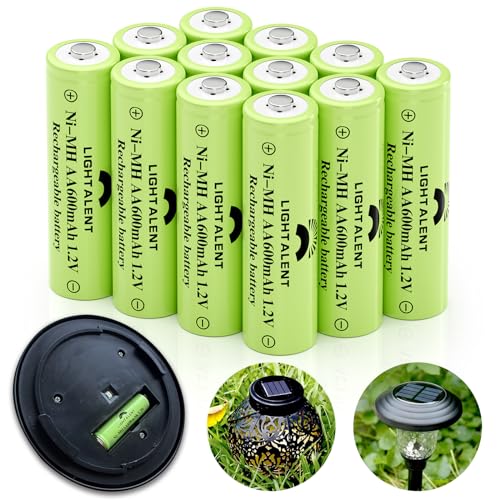
5. Lightalent Rechargeable Solar AA Batteries
Best for: Replacing batteries in solar lights
The Lightalent pack includes 12 AA rechargeable batteries, each rated at 1.2 volts and 600mAh. They use Ni-MH chemistry and fit many outdoor solar lights that accept standard AA cells. The batteries can recharge through a light’s built-in solar panel or with a compatible household charger. At around $10 for the pack, the cost per battery is low compared with buying disposable alkaline cells repeatedly.
The 600mAh capacity suits small pathway lights, lanterns, and decorative fixtures that draw modest power. These cells arrive with about 30% charge for shipping, so they need a full charge before use. Lightalent recommends using the stored power before recharging, then charging the batteries every three months during storage. That routine may help preserve capacity over time. Ni-MH cells also avoid the single-use waste of alkaline batteries, but the 600mAh rating is modest. Lights that run all night or use brighter LEDs may need more frequent charging.
Pros
- Includes 12 rechargeable AA batteries for replacing several outdoor lights.
- Works with solar charging systems and compatible standard battery chargers.
- Ni-MH chemistry reduces the need for disposable alkaline batteries.
Cons
- The 600mAh capacity is lower than many higher-capacity rechargeable AA options.
- Batteries arrive only partly charged and require a full charge before first use.
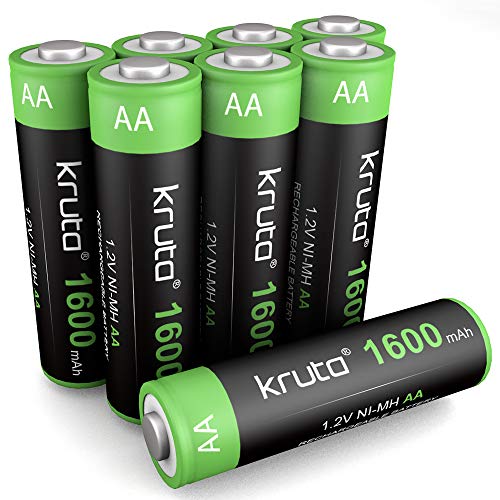
4. AA 1600mAh 1.2V Ni-MH Rechargeable Solar Batteries
Best for: outdoor solar garden lights
These AA rechargeable batteries use 1.2-volt Ni-MH chemistry and a 1600mAh capacity. They fit many outdoor solar lights, garden lamps, string lights, and other devices that accept standard AA cells. The higher capacity may provide longer light cycles than 600mAh, 800mAh, or 1100mAh cells, though actual runtime depends on the light and its solar panel. They can also replace compatible alkaline or NiCd batteries in remotes, wireless mice, keyboards, radios, flashlights, and gaming controllers. The listed price is around $10.
Their rated operating range runs from -4°F to 140°F, which suits exposed outdoor fixtures through hot summers and freezing weather. Solar lights can recharge them during daylight, even when snow is present, but cloud cover, short winter days, and dirty panels will reduce available charge. A qualified universal charger offers a faster option when sunlight is weak. The manufacturer rates the cells for at least 1,200 recharge cycles, which could reduce battery replacement costs over time. Confirm that your device accepts 1.2V Ni-MH cells before buying.
Pros
- 1600mAh capacity may extend runtime in compatible solar lights.
- Handles listed temperatures from -4°F to 140°F.
- Supports solar charging or use with a suitable universal charger.
Cons
- Solar charging can be slow during cloudy weather, winter, or shaded placement.
- The 1.2V output is not suitable for devices requiring standard 1.5V alkaline cells.
3. JiajaX Ni-MH AA Rechargeable Solar Batteries

Best for: Solar garden light replacements
The JiajaX pack includes four AA Ni-MH rechargeable batteries rated at 1.2 volts and 600mAh. Each cell measures about 1.97 inches long and 0.55 inches wide. They are made for solar garden, landscape, and lawn lights that use replaceable AA batteries. At around $6 for four, this is a low-cost way to revive lights instead of replacing the entire fixture.
The 600mAh rating gives these cells more capacity than many older 100mAh to 500mAh batteries. JiajaX claims each battery can handle at least 500 charge cycles, though actual life depends on charging conditions and use. They can recharge through sunlight in compatible fixtures or with a standard Ni-MH AA charger. The batteries contain no lead, cadmium, or mercury, according to the product listing. They can also replace disposable alkaline AAs in some household devices, but their relatively low capacity makes them a poor choice for high-drain electronics.
Pros
- Four batteries provide replacements for multiple solar lights.
- 600mAh capacity can exceed older low-capacity Ni-Cd or Ni-MH cells.
- Supports solar charging and standard Ni-MH AA chargers.
Cons
- Batteries only, so a separate charger may be necessary.
- The 600mAh capacity is low for cameras, toys, flashlights, and other high-drain devices.
2. EBL Solar AA Rechargeable Batteries

Best for: Outdoor solar lights and remotes
This 12-pack contains AA-size, 1.2V Ni-MH rechargeable batteries with a rated capacity of 1300mAh. They cost around $15 and can recharge inside compatible solar lights or with a household charger. EBL recommends its AA Ni-MH charger, and the cells arrive partially charged for safer shipping, so plan to charge them before use.
The 1300mAh capacity should provide useful runtime in garden lights, remotes, keyboards, toys, and other low-drain devices. Their low-self-discharge design is rated to retain more than 80% of capacity after three years. That claim may help with batteries stored between seasons. The cells also include a steel construction and a ring intended to reduce leakage risk. A stated operating range from -4°F to 140°F suits many outdoor settings, though sunlight strength still controls how well solar charging works. Use them only in devices designed for 1.2V rechargeable cells.
Pros
- Twelve batteries provide a practical replacement set for several solar lights.
- 1300mAh capacity can reduce how often outdoor cells need replacement.
- Low-self-discharge design supports storage between seasons.
Cons
- They are not fully charged out of the package.
- The 1.2V rating limits compatibility, and some devices require standard alkaline cells.
1. Kruta AA Rechargeable Solar Batteries

Best for: Solar garden lights needing spare cells
This 20-pack contains 1600mAh rechargeable AA batteries for solar garden, pathway, lawn, and landscape lights. The capacity is higher than many older 600mAh, 800mAh, or 1100mAh AA cells, so each battery can provide more stored power between charges. They also fit many everyday devices that use standard AA batteries, such as remotes, wireless keyboards, mice, game controllers, and RC equipment. Compatibility still depends on the device and its voltage requirements.
Kruta says each cell can handle up to 1,200 recharge cycles, which may reduce the need for disposable alkaline batteries over time. The batteries can charge inside compatible solar lights or with a suitable universal charger. A separate charger is the better option when sunlight is weak or you need a faster charge. The pack arrives at roughly 50% charge for shipping, so a full charge before first use is necessary. At around $20 for 20 cells, the pack offers a practical supply for multiple lights.
Pros
- 1600mAh capacity can support longer runtimes than lower-capacity AA cells.
- Twenty batteries cover several solar lights and household devices.
- Rated for up to 1,200 recharge cycles, reducing disposable battery purchases.
Cons
- The batteries arrive only half charged, so they need charging before use.
- Solar charging may take much longer during cloudy weather or shorter winter days.
Buying Guide
The key factor is compatibility. Most solar garden lights require standard 1.2-volt NiMH AA cells, and the wrong chemistry or size can damage the light or prevent charging.
- Battery chemistry: Choose rechargeable NiMH batteries rated at 1.2 volts. Do not use 1.5-volt lithium or alkaline replacements unless the light specifically allows them.
- Capacity: Look for 1,900 to 2,500 mAh. A 2,000 mAh cell generally gives longer operation than a 600 mAh cell, though the panel and LED also affect runtime.
- Low self-discharge: Pick cells that retain at least 70% of their charge after 12 months. This matters when winter weather keeps the lights off for weeks.
- Pack size and cost: Buy a four-pack for one or two fixtures, or an eight- to 16-pack for several lights. A reasonable price is about $10 to $25, depending on capacity and brand.
- Outdoor durability: Check for a sealed battery compartment and use cells rated for roughly 32°F to 113°F. Store spare batteries indoors during freezing weather to reduce capacity loss.
If you must compromise, prioritize the correct NiMH chemistry and a capacity near 2,000 mAh.
Frequently Asked Questions
How long do rechargeable AA batteries last in outdoor solar lights?
Most rechargeable AA batteries for outdoor solar lights last two to five years, depending on charge cycles, weather, and storage. Look for nickel-metal hydride cells rated for at least 500 cycles, and replace them when a light dims quickly after a full day of charging.
What capacity should rechargeable AA batteries have for solar lights?
AA cells rated around 1,800 to 2,500 mAh usually suit outdoor solar lights, provided the fixture accepts standard NiMH voltage. Higher capacity can extend nighttime runtime, but a 2,400 mAh battery may need stronger sunlight and a full charging day.
Can I use rechargeable NiMH AA batteries in solar garden lights?
Yes, you can use rechargeable NiMH AA batteries in most outdoor solar lights designed for AA cells. Check the original battery for NiMH labeling and match its voltage, since some fixtures use one cell while others use two cells in series.
Are higher-capacity rechargeable AAs better for solar lights?
Not always, higher-capacity rechargeable AAs are better only when the panel can recharge them fully each day. A 2,500 mAh cell may run longer than a 1,000 mAh model, but weak winter sunlight can leave it partly charged by morning.
Conclusion
Kruta AA Rechargeable Solar Batteries are the top pick for shoppers who want a practical replacement set for outdoor pathway lights, especially when they need several cells at once. If your priority is the lowest upfront cost, choose the most affordable compatible multi-pack instead, since solar lights often need multiple batteries and small price differences add up. Before buying, double-check the AA size, your light’s compatibility with rechargeable Ni-MH cells, the number of batteries included, and the current price. Review the rated capacity and charger guidance when available, because capacity differences can affect runtime, while some lights require a specific battery chemistry. A careful match helps prevent weak illumination, wasted cells, and avoidable returns.